Creamy Butternut Squash Soup Without Cream

A practical whole-food recipe for creamy butternut squash soup without cream.
Creamy Butternut Squash Soup Without Cream is designed around the search for creamy butternut squash soup, but it is first and foremost a practical whole-food recipe. It uses roasted butternut squash, white beans cooked from dry, and rosemary to create a comforting meal without canned ingredients. The method is straightforward enough for a weeknight while still building real flavor.
Why this recipe works
Why this creamy butternut squash soup works
Blended white beans add true creaminess as well as fiber and plant protein. First, aromatics are cooked to develop a savory base. Next, the main ingredients simmer until tender. Finally, a bright finishing ingredient such as lemon, lime, or fresh herbs keeps the soup from tasting flat. In addition, using homemade or minimally processed broth maintains control over sodium and flavor.
Ingredients
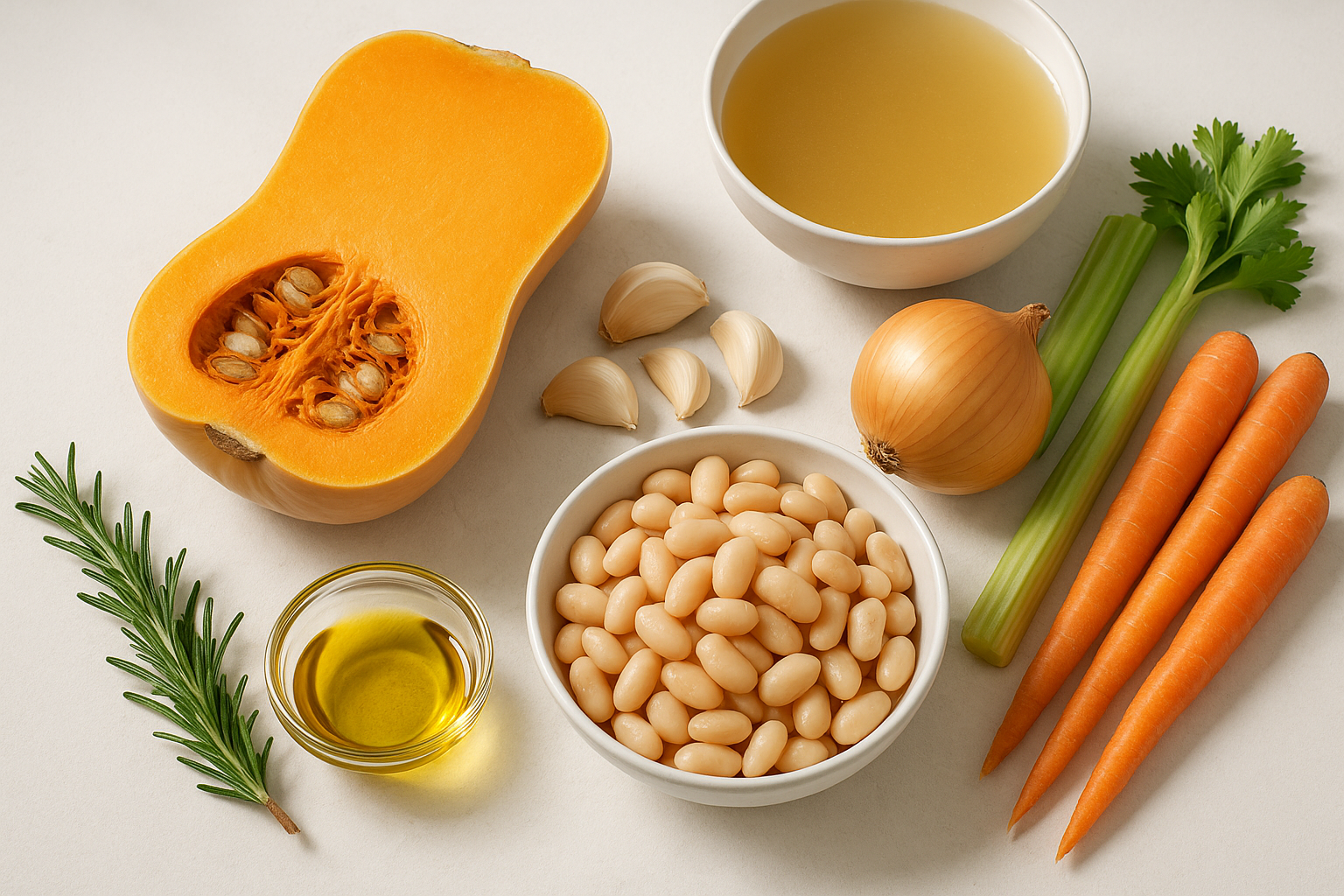
- 1 tablespoon extra-virgin olive oil
- 1 medium yellow onion, chopped
- 2 carrots, chopped
- 2 celery stalks, chopped
- 3 garlic cloves, minced
- Butternut squash, roasted
- White beans, cooked from dry
- Fresh rosemary
- 6 cups homemade or minimally processed broth
- Sea salt and freshly ground black pepper
- Fresh herbs and citrus juice for serving
Instructions
- Roast the squash until tender.
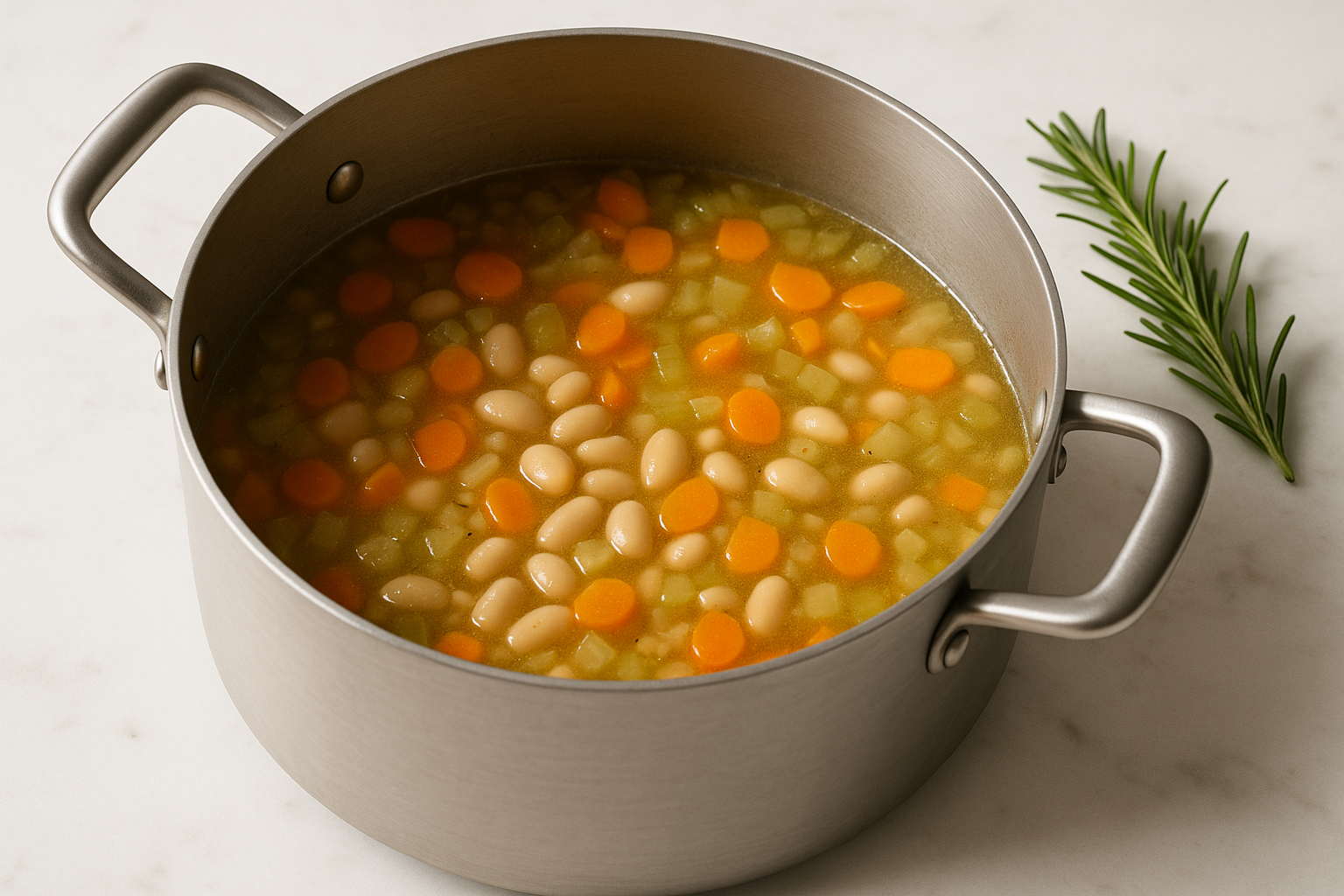
- Simmer cooked white beans with onion, garlic, and broth until the aromatics are soft and the flavors meld.
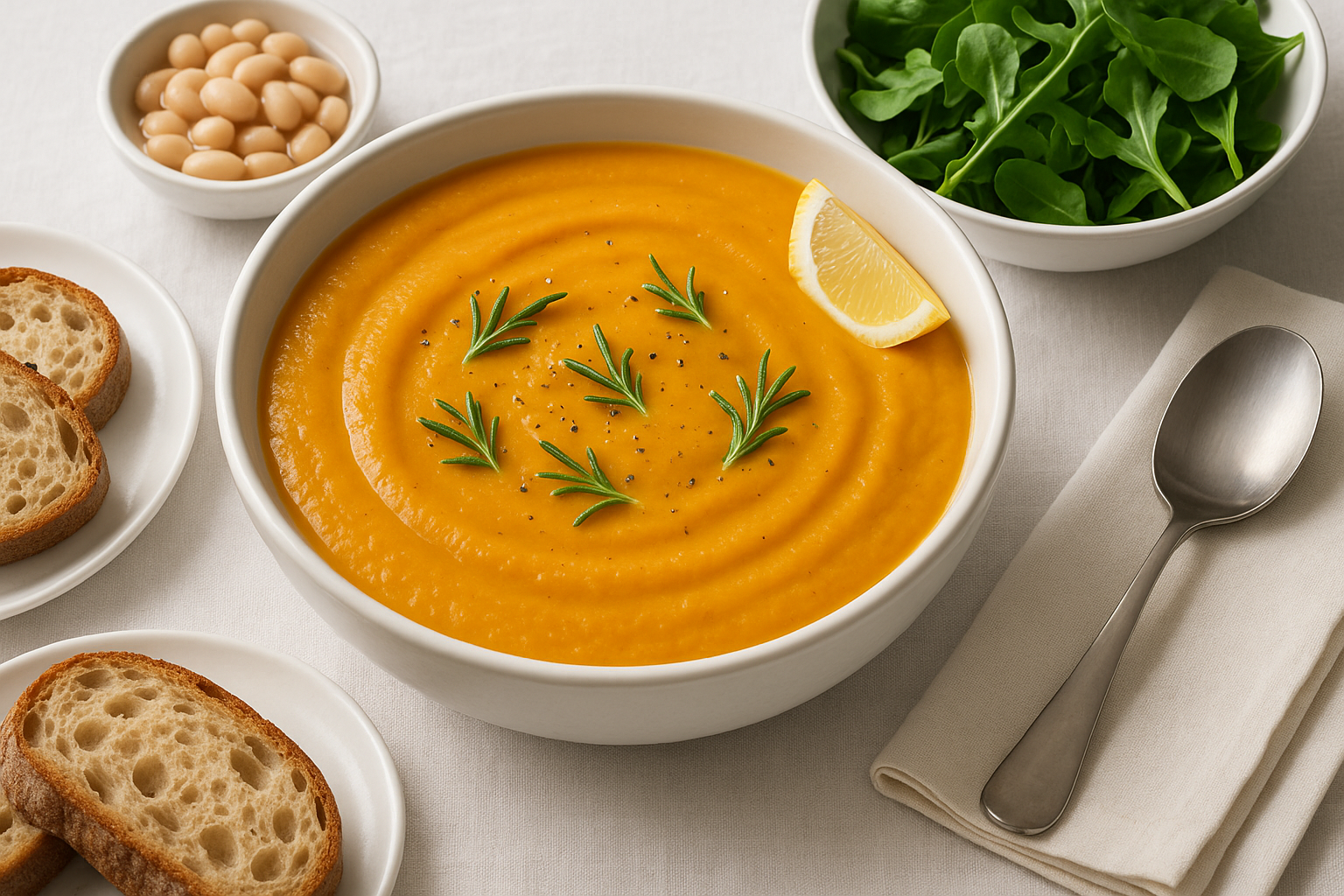
- Add the roasted squash and blend until velvety, adjusting the broth to reach the texture you prefer.
- Finish with rosemary and lemon, then taste and adjust seasoning before serving.
Make it your own
Adjust the broth to reach the texture you prefer. Add red pepper flakes for heat or extra greens during the final minutes of cooking. If you plan to freeze the soup, cool it fully before dividing it into individual airtight containers.
Nutrition perspective
Soup is a convenient way to combine vegetables, protein, and fiber in one bowl. Nutrition will vary with portion size and ingredient brands. Therefore, taste before adding salt, especially when using prepared broth or rotisserie chicken.
Storage and reheating
Refrigerate leftovers for up to four days. Reheat gently until steaming, adding a splash of water or broth if needed. For more seasonal recipes, visit The Nutrient.