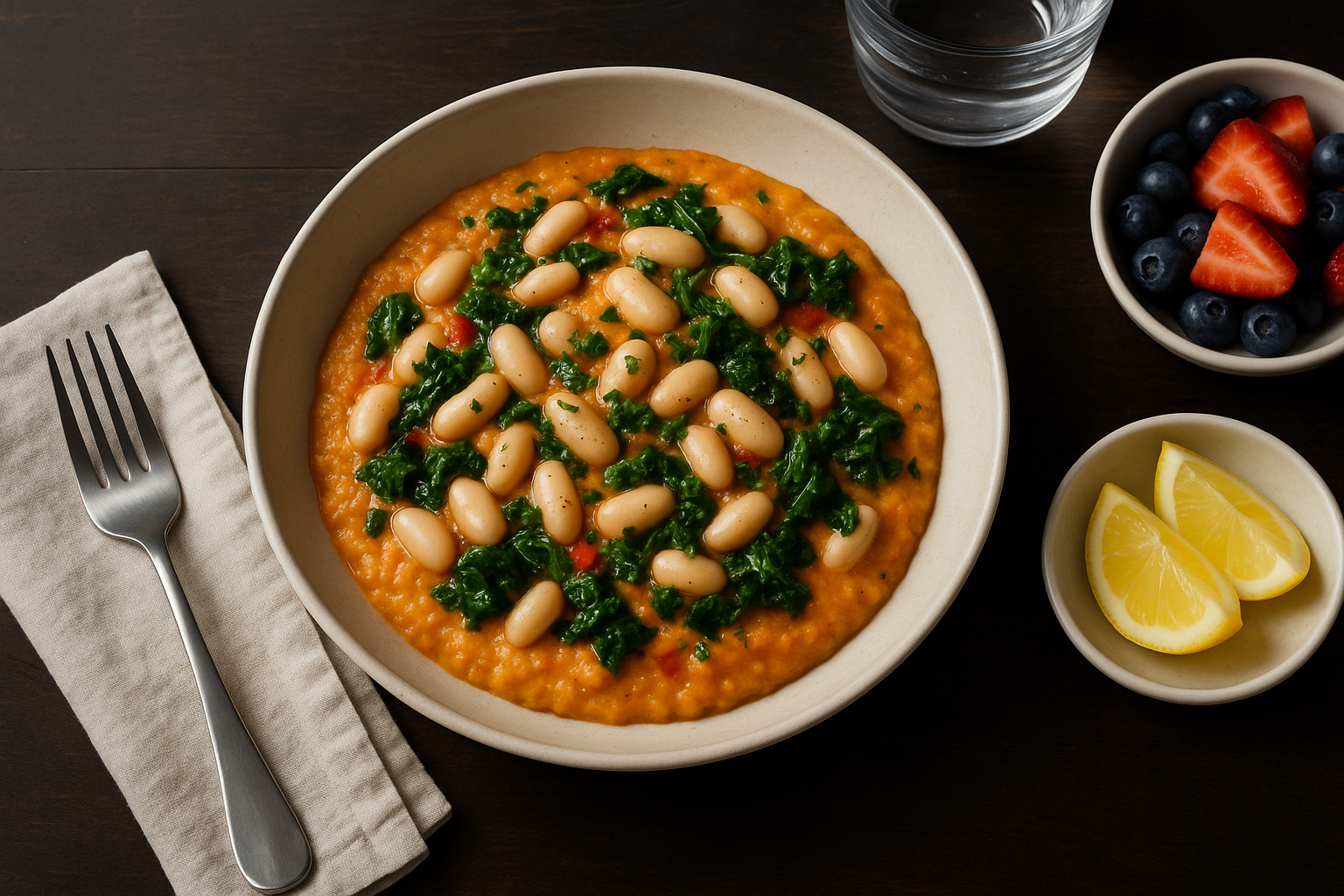
Roasted Red Pepper Grits with White Beans
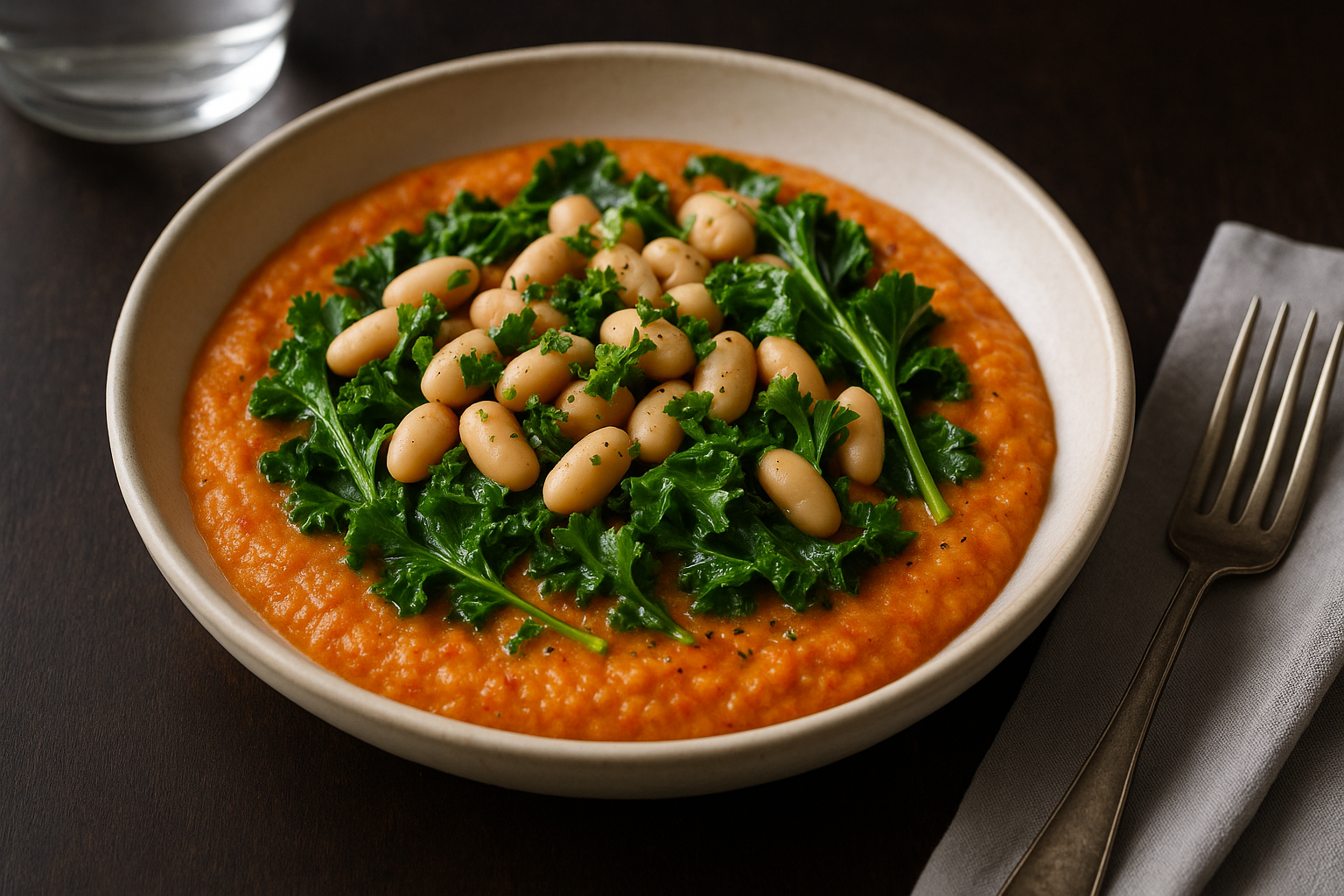
Image created for The Nutrient
A savory, oil-free grits bowl with roasted red pepper, white beans, and kale—ready in 35 minutes.
Roasted Red Pepper Grits with White Beans is designed as a practical, plant-forward breakfast with no butter, dairy cream, cheese, meat, eggs, or added oil. It uses fruit, vegetables, beans, seeds, herbs, and spices to build flavor around the grain.
Roasted Red Pepper Grits — Recipe at a glance
- Prep: 10 minutes
- Cook: 25 minutes
- Total: 35 minutes
- Yield: 4 servings
- Heart rating: 5 of 5 hearts — plant-forward and oil-free; adding cooking oil lowers this rating by one heart per the recipe rules.
Ingredients
Original recipe (1×) yields 4 servings
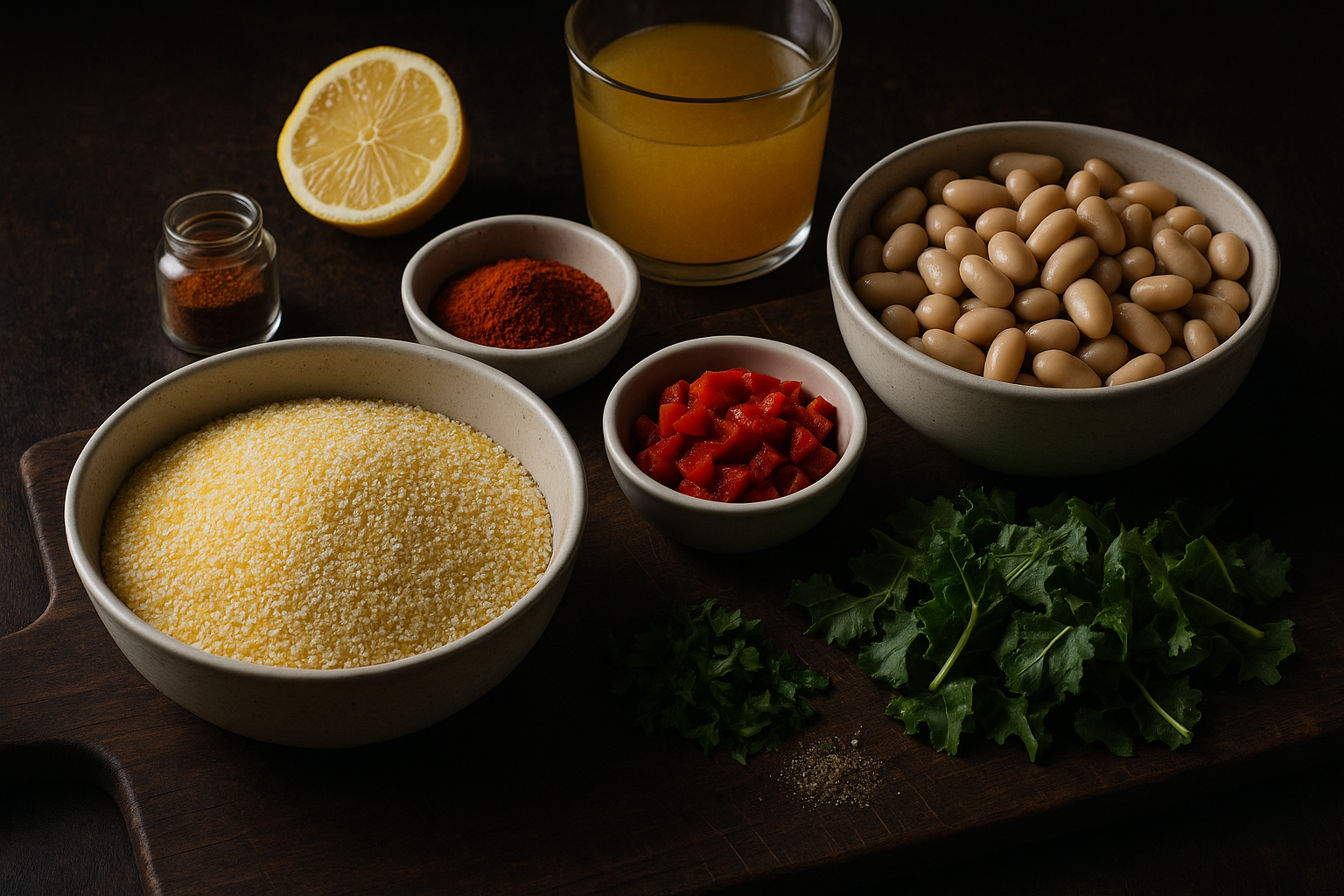
- 1 cup stone-ground grits
- 4 cups low-sodium vegetable broth (or water plus a pinch of salt)
- 1 large roasted red bell pepper, chopped (about 3/4 to 1 cup)
- 1 1/2 cups cooked white beans (cannellini or navy; from dried or frozen, thawed)
- 2 cups baby kale, roughly chopped
- 1 teaspoon smoked paprika
- 1 tablespoon fresh lemon juice
- 2 tablespoons chopped fresh parsley
- Freshly ground black pepper, to taste
Heart-health recipe tip
Blending roasted red pepper with some cooked grits makes the bowl creamy and flavorful without butter, cheese, or coconut milk. If you do choose to add a finishing oil or dairy, however, the heart rating will be reduced by the recipe rules. The recipe as written is oil-free and egg-free.
Instructions
- Bring the vegetable broth to a boil in a medium saucepan. Meanwhile, stir the grits to remove lumps.
- Slowly whisk the grits into the boiling broth. Reduce heat to low. Simmer gently, uncovered, stirring often, until thick and tender, 18–22 minutes depending on the grits.
- While the grits cook, place half of the chopped roasted pepper in a blender or food processor. Add 1/2 cup of the hot cooked grits, and blend until smooth. This creates a creamy pepper purée.
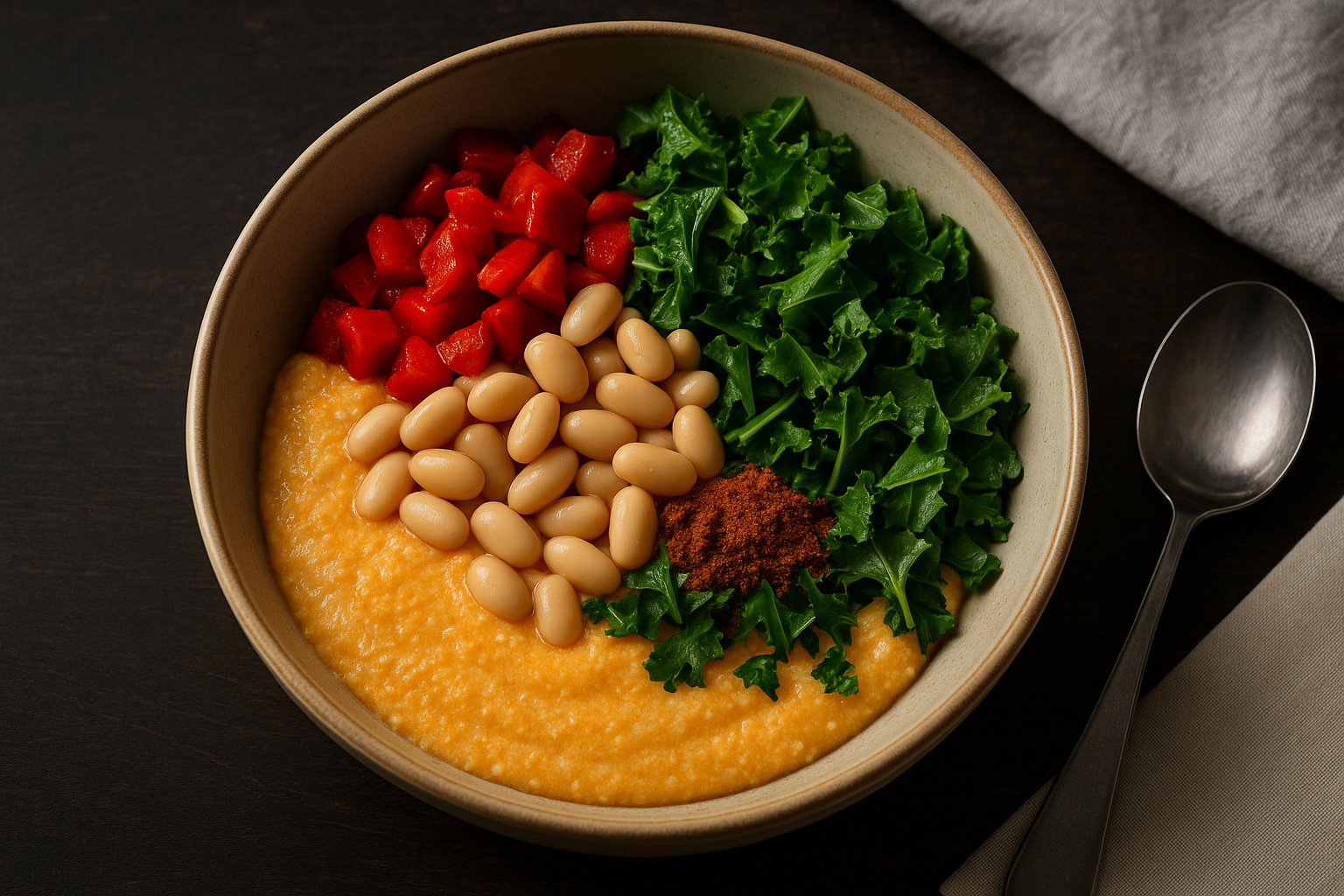
- Stir the pepper purée back into the pot of grits. Next, fold in the remaining chopped pepper, the cooked white beans, kale, and smoked paprika. Cook 2–3 minutes, stirring, until the beans are warmed and the kale softens.
- Finish with lemon juice, chopped parsley, and black pepper. Taste and adjust seasoning. Serve warm in bowls.
Why this recipe works
White beans add fiber and plant protein, while roasted red pepper and kale bring color and vitamins. Additionally, blending a portion of the pepper and grits gives a silky texture without dairy. For more plant-forward breakfast bowls, see resources at The Nutrient.
Variations and substitutions
- Make it creamier: stir in 2 tablespoons of unsweetened plant milk or 1 tablespoon of tahini, for richness while keeping the bowl plant-forward.
- Want a cheesy note? Sprinkle 1–2 tablespoons of nutritional yeast; this keeps the recipe dairy-free and heart-friendly.
- If you must use oil: a small drizzle of olive oil can be added, but note the heart rating drops by one heart per the recipe rules.
- Greens swap: use spinach or chard instead of kale. For example, spinach will wilt faster and needs only 1–2 minutes.
- Bean options: use other cooked white beans or cooked chickpeas from dried sources. If you only have leftovers, those work fine too.
Save Time
- Use a food processor or blender for faster, more even preparation.
Storage and reheating
Refrigerate leftovers in a covered container for up to 4 days. When reheating, add a splash of water or unsweetened plant milk to loosen the texture, then warm gently on the stove or in the microwave, stirring until smooth. Finally, refresh with a squeeze of lemon and a sprinkle of parsley.
Nutrition Facts
Estimated nutrition per serving
Estimated per serving: About 265 calories, 10 g protein, 52 g carbohydrate, 9 g fiber, 2 g fat, and 290 mg sodium. Values vary by brand and substitutions.
More grits recipes
- Creamy Plant-Based Grits with Greens
- Tomato Basil Grits Bowl
- Mushroom Spinach Grits
- Black Bean Corn Grits Breakfast Bowl
Explore the heart-conscious breakfast grain series

YOU MAY ALSO LIKE
Recipes with similar ingredients
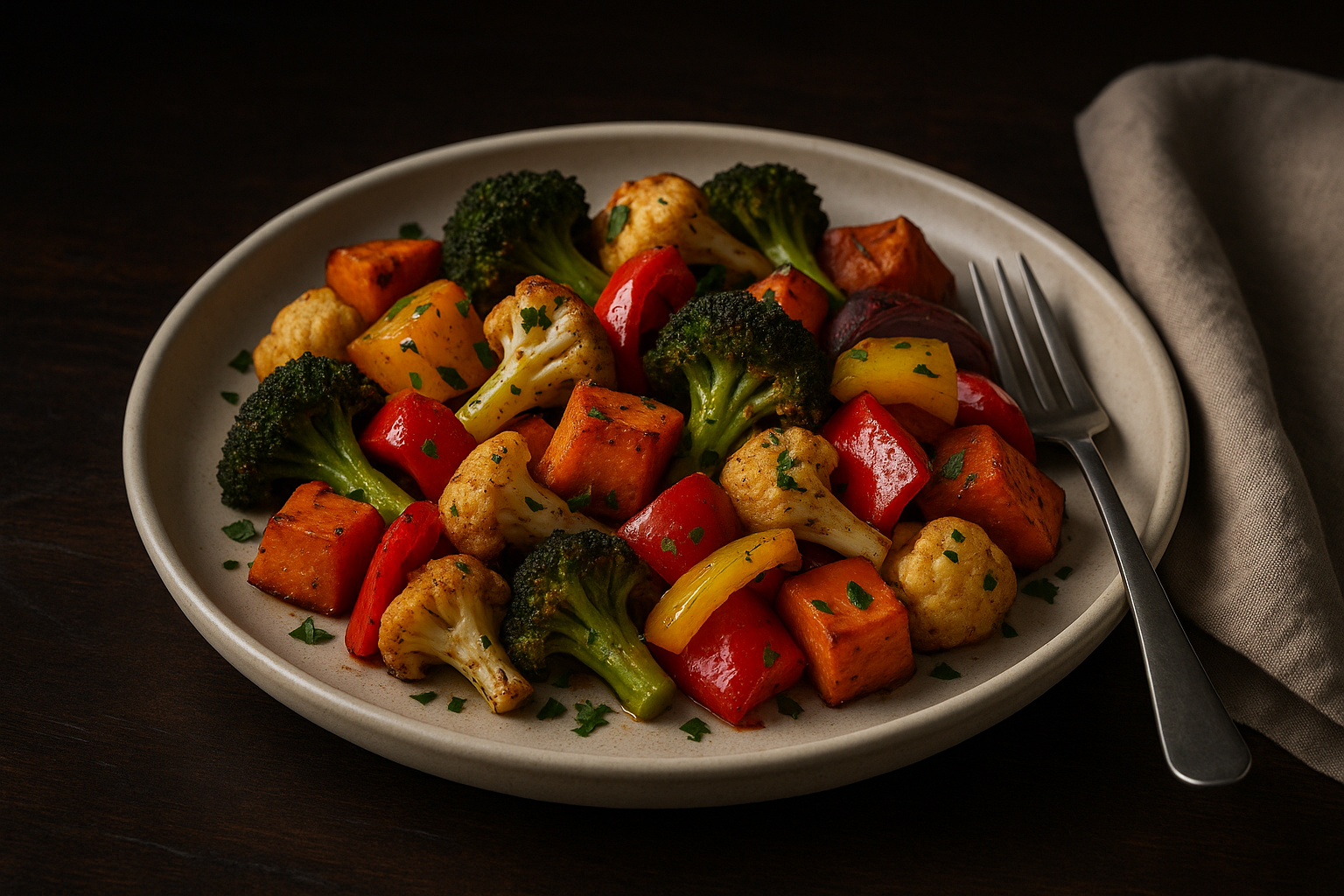 Oil-Free Sheet-Pan Roasted VegetablesShared ingredients: vegetable broth, lemon juice, smoked paprika
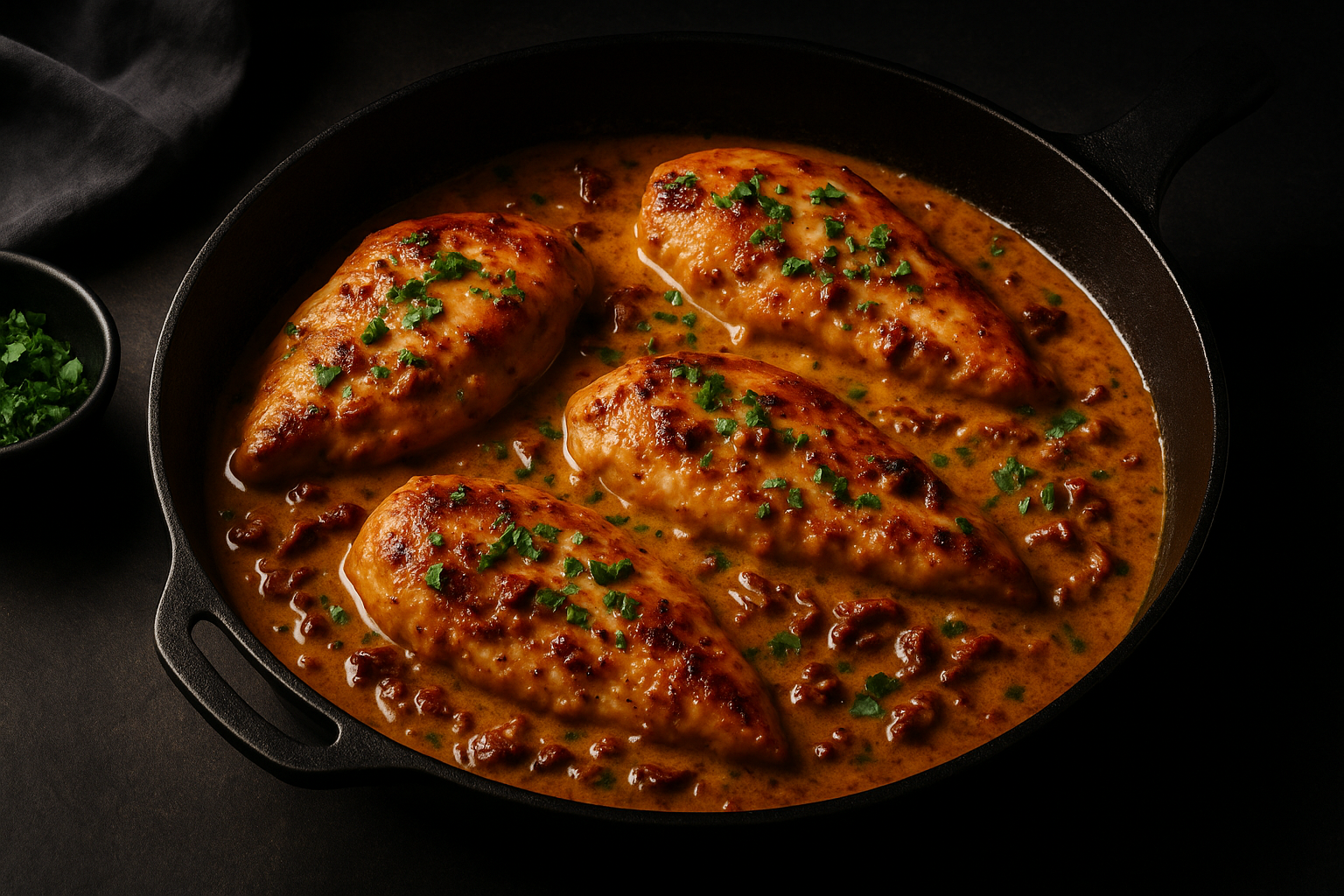 Easy Marry Me Chicken Without Heavy CreamShared ingredients: freshly ground black pepper, smoked paprika, lemon juice
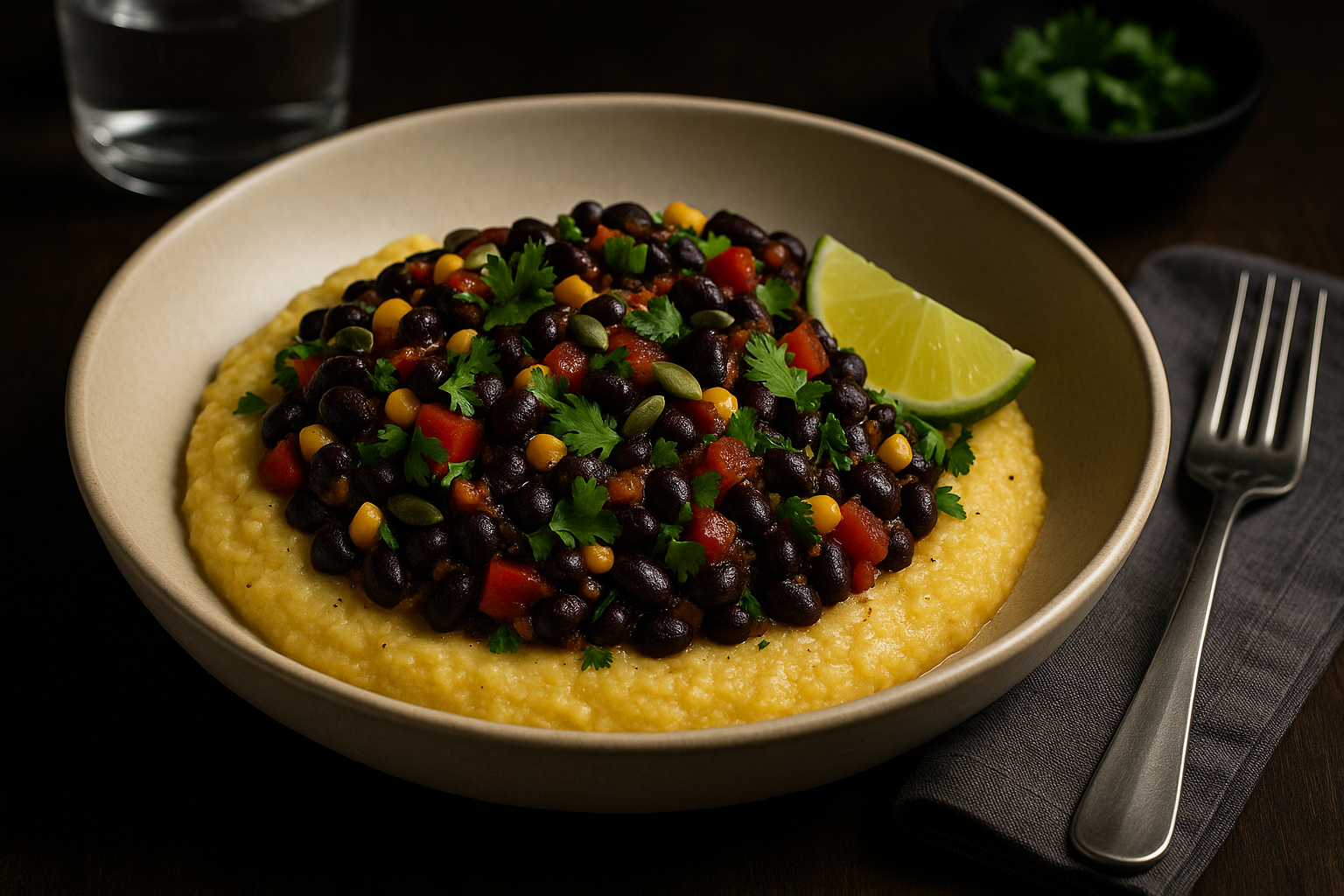 Black Bean Corn Grits Breakfast BowlShared ingredients: grits, beans, smoked paprika
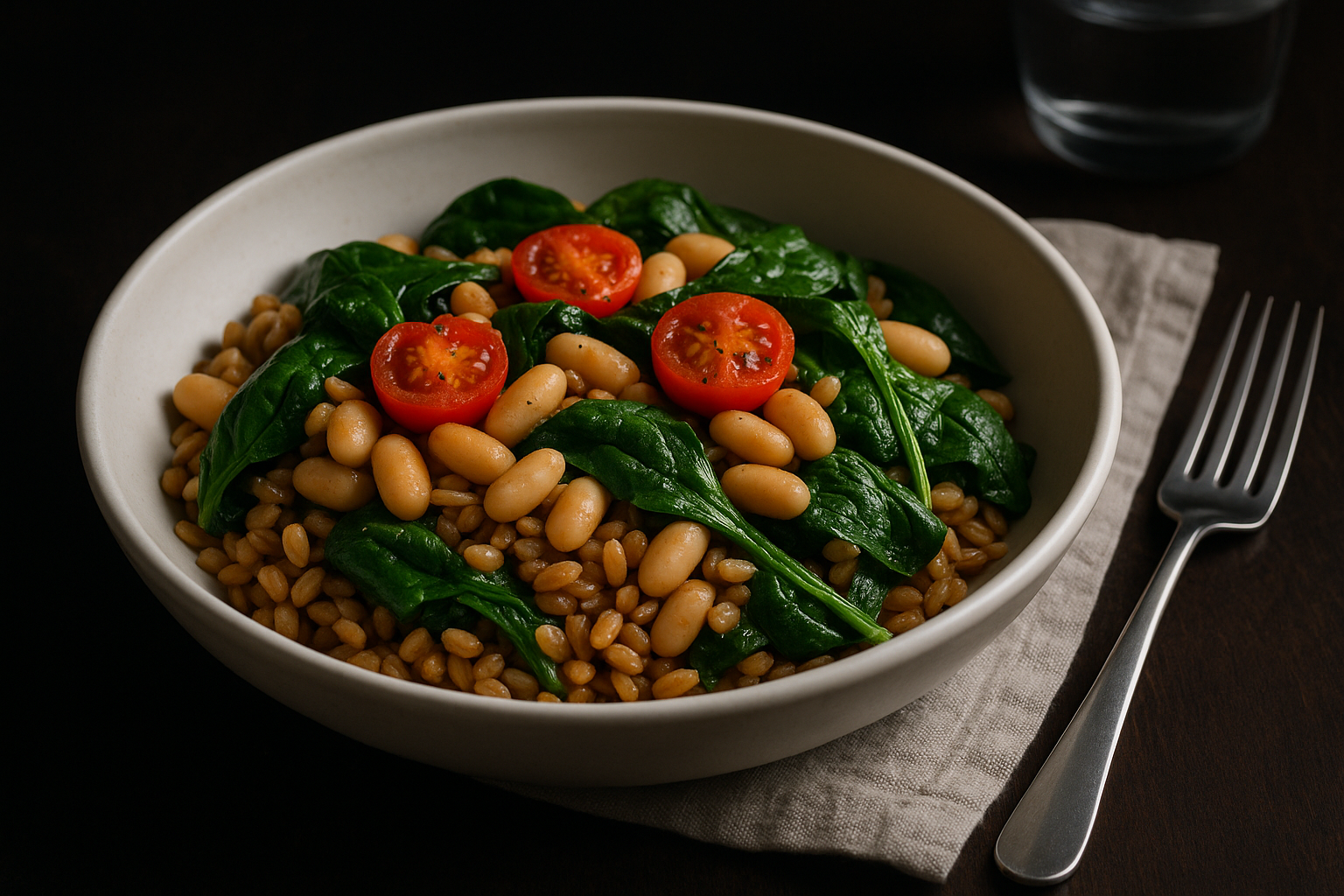 Savory White Bean and Farro Breakfast BowlShared ingredients: beans, lemon juice, smoked paprika
YOUR FEEDBACK
Was this page helpful?
Your answer helps us improve our recipes and guides.