Homemade Sunflower Seed Milk
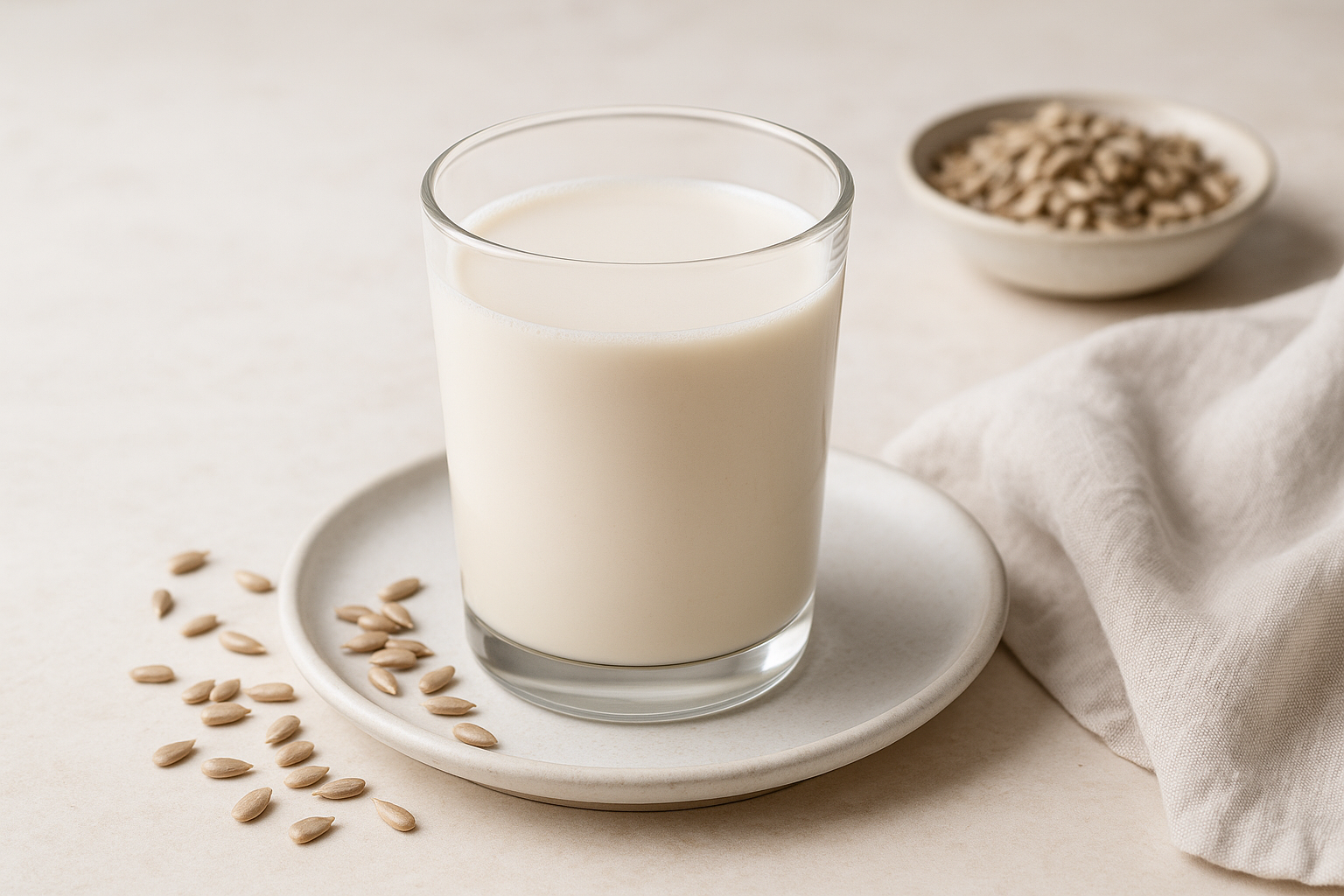
Image created for The Nutrient
Creamy, dairy-free Sunflower Seed Milk you can make at home in about 10 minutes active time (plus soaking).
Sunflower Seed Milk is creamy, economical, and free from dairy, soy, and tree nuts, making it a reliable swap for many recipes. This page shows how to make it at home, and therefore it pairs well with The Nutrient’s complete plant milk guide and the broader resources on The Nutrient.
Yield, time, and heart-health
Yield: about 4 cups (4 one-cup servings).
Active time: 10 minutes. Soak time: 4–6 hours. Total time: about 4–6 hours 10 minutes.
Heart-health rating: 5 of 5 hearts — this recipe is fully plant-based and contains no oils or animal products, so it meets our highest heart-friendly score.
If you prefer different texture or sweetness, try 2 tablespoons sunflower seed butter or 1/2 ripe banana for creaminess without dairy or added oil.
Ingredients
Original recipe (1×) yields 4 servings
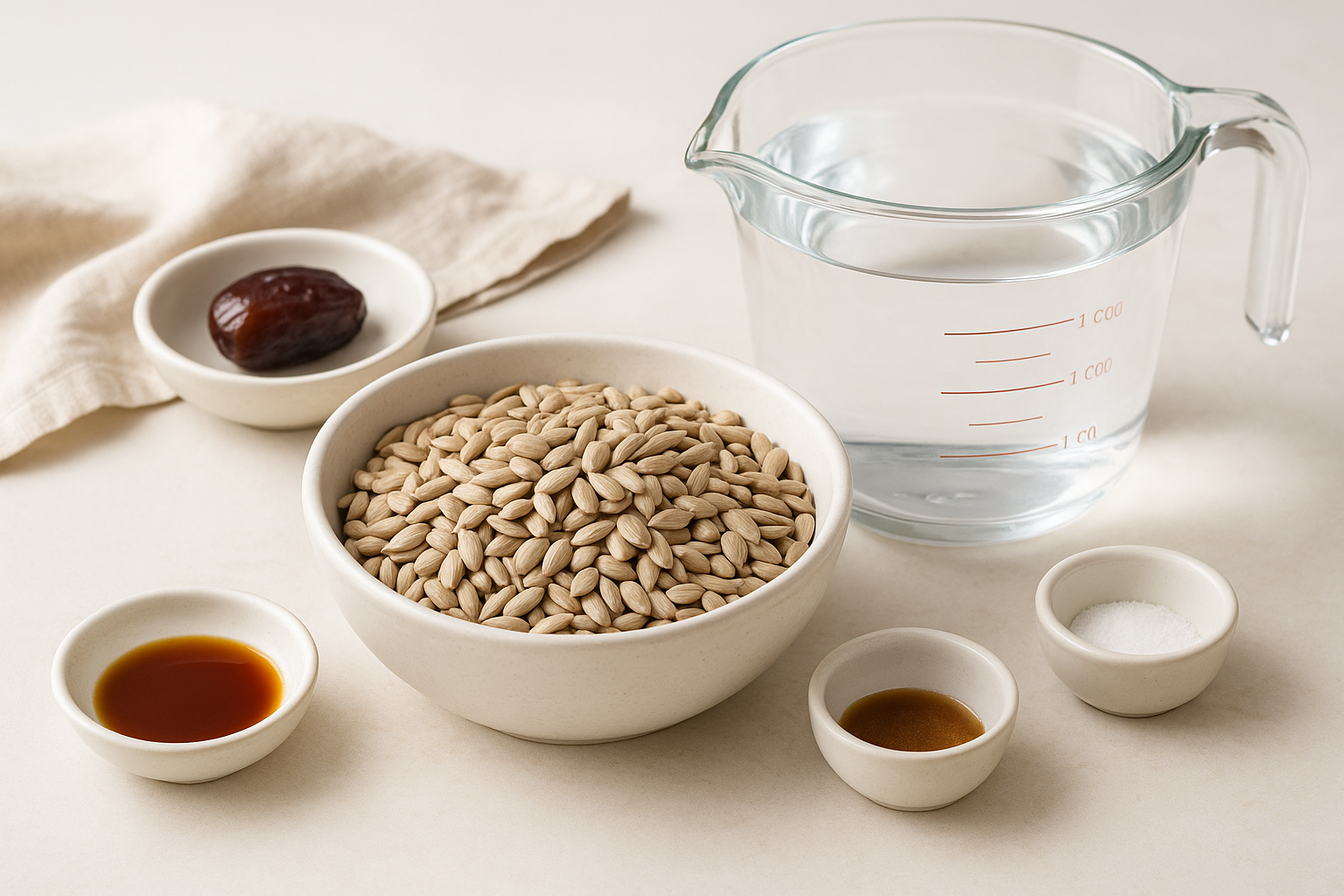
- 1 cup raw unsalted sunflower seeds (about 140 g)
- 4 cups cold water (1 L), plus more for soaking
- 1 teaspoon vanilla extract (optional)
- 1 pitted Medjool date, optional (or 1 tablespoon maple syrup)
- Pinch of salt, optional
Instructions
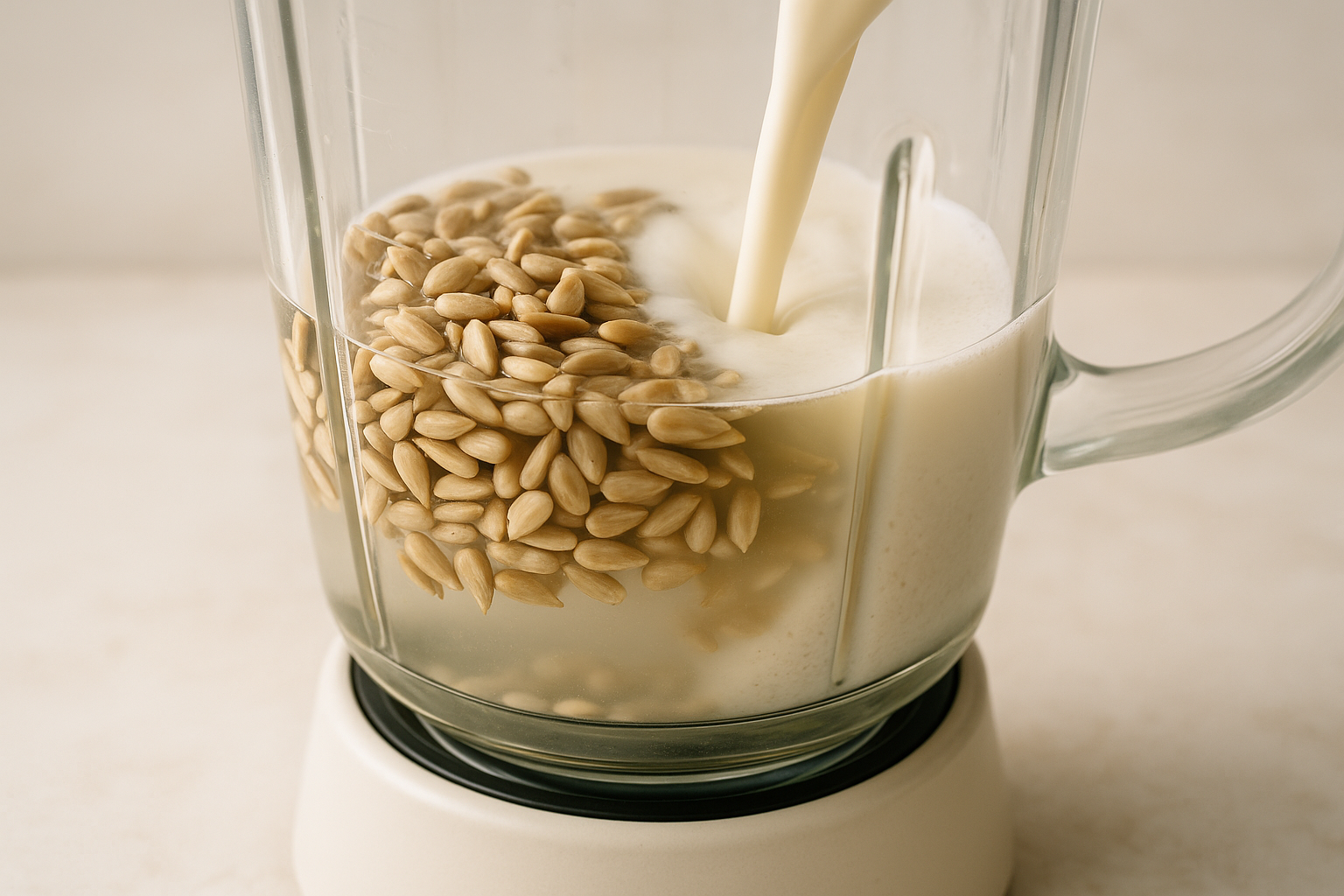
- Soak: Place the sunflower seeds in a bowl and cover with cool water. Soak 4–6 hours, or overnight; this softens seeds and reduces bitterness.
- Rinse: Drain and rinse the seeds thoroughly under cool running water.
- Blend: Add the soaked seeds and 4 cups fresh cold water to a high-speed blender. Add vanilla, date, or pinch of salt if using. Blend on high for 60–90 seconds until smooth and creamy.
- Strain: Pour the mixture through a nut-milk bag or a fine-mesh strainer lined with a clean dish towel into a bowl. Press or squeeze gently to extract as much liquid as possible.
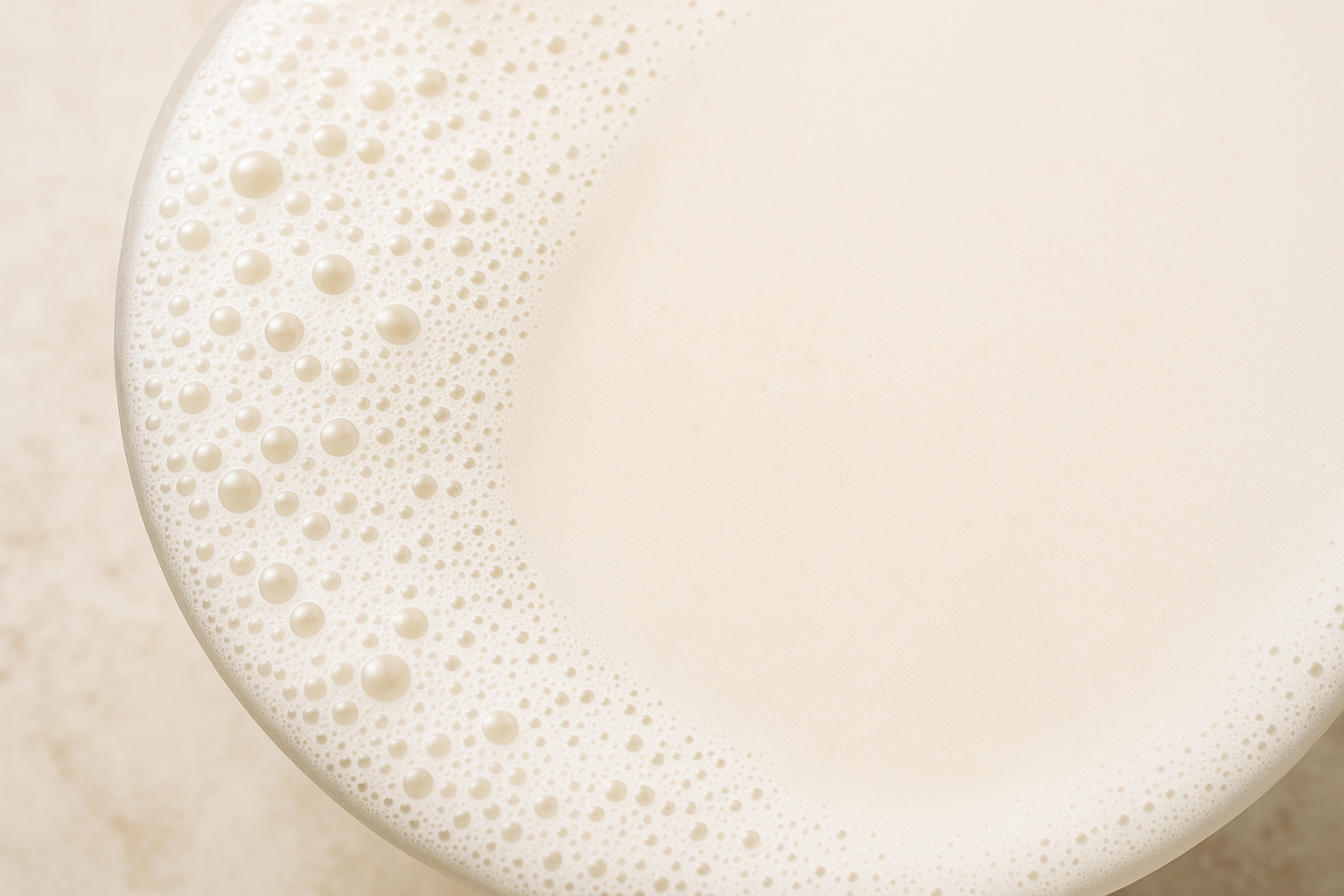
- Bottle: Transfer the milk to a clean, covered bottle or jar and refrigerate immediately. Shake well before each use because natural separation will occur.
Best uses
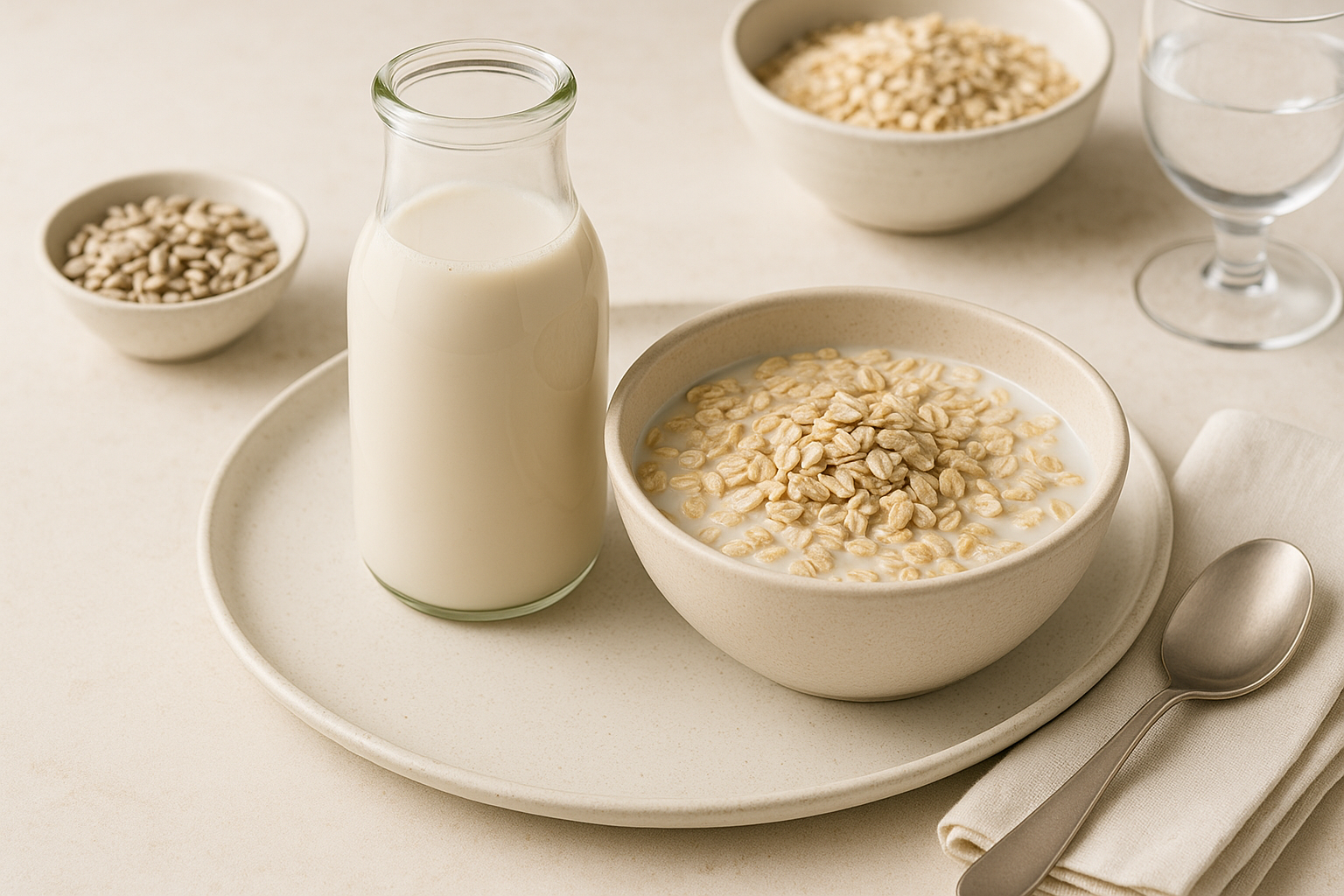
Use sunflower seed milk in cereal, oatmeal, smoothies, baking, and savory sauces. For soups or sauces, choose the unsweetened version and omit vanilla.
Save time and tips
- Prep: Measure seeds before soaking and plan overnight so active time is minimal.
- Blending: Start on low speed, then increase to high to ensure a smooth result.
- Cleanup: Rinse the blender and straining cloth immediately to prevent staining and ease cleanup.
- Freezing: Freeze in ice cube trays or small portions for smoothies or cooked dishes; thaw in the fridge before using.
Save Time
- Use a food processor or blender for faster, more even preparation.
- Prepare the make-ahead components earlier and refrigerate them until cooking or serving.
Substitutions
- Sweetener: Use a pitted date or 1 tablespoon maple syrup, or omit entirely for unsweetened milk.
- Vanilla: Omit for savory dishes, or substitute almond extract for a different flavor.
- Thickness: For richer milk, use 3 cups water; for lighter milk, use 5 cups.
- Extra creaminess (oil-free): Add 2 tablespoons sunflower seed butter or 1/2 ripe banana when blending.
Storage
Refrigerate in a clean sealed container and use within 3–4 days. Natural separation is expected, so shake before pouring. Discard if the aroma, texture, or flavor changes noticeably.
Nutrition Facts
Estimated nutrition per serving
% Daily Value*
- Total Fat
- 5 g
- Saturated Fat
- 0.5 g
- Total Carbohydrate
- 3 g
- Dietary Fiber
- 1 g
- Total Sugars
- 0 g
- Protein
- 2 g
- Sodium
- 20 mg
Frequently asked questions
Why did my homemade milk separate?
Separation is normal because homemade plant milk contains no commercial emulsifiers. Shake well before using.
Can I cook with it?
Yes. For soups, sauces, and savory recipes, use the unsweetened version and omit vanilla. For baking, expect possible color changes as noted above.
Can I use the leftover pulp?
Leftover pulp keeps for up to two days in the fridge. Use it in oatmeal, muffins, crackers, or smoothies to reduce waste.
Nutrition values are approximate and vary with blending, straining, and serving size.

YOU MAY ALSO LIKE
Recipes with similar ingredients
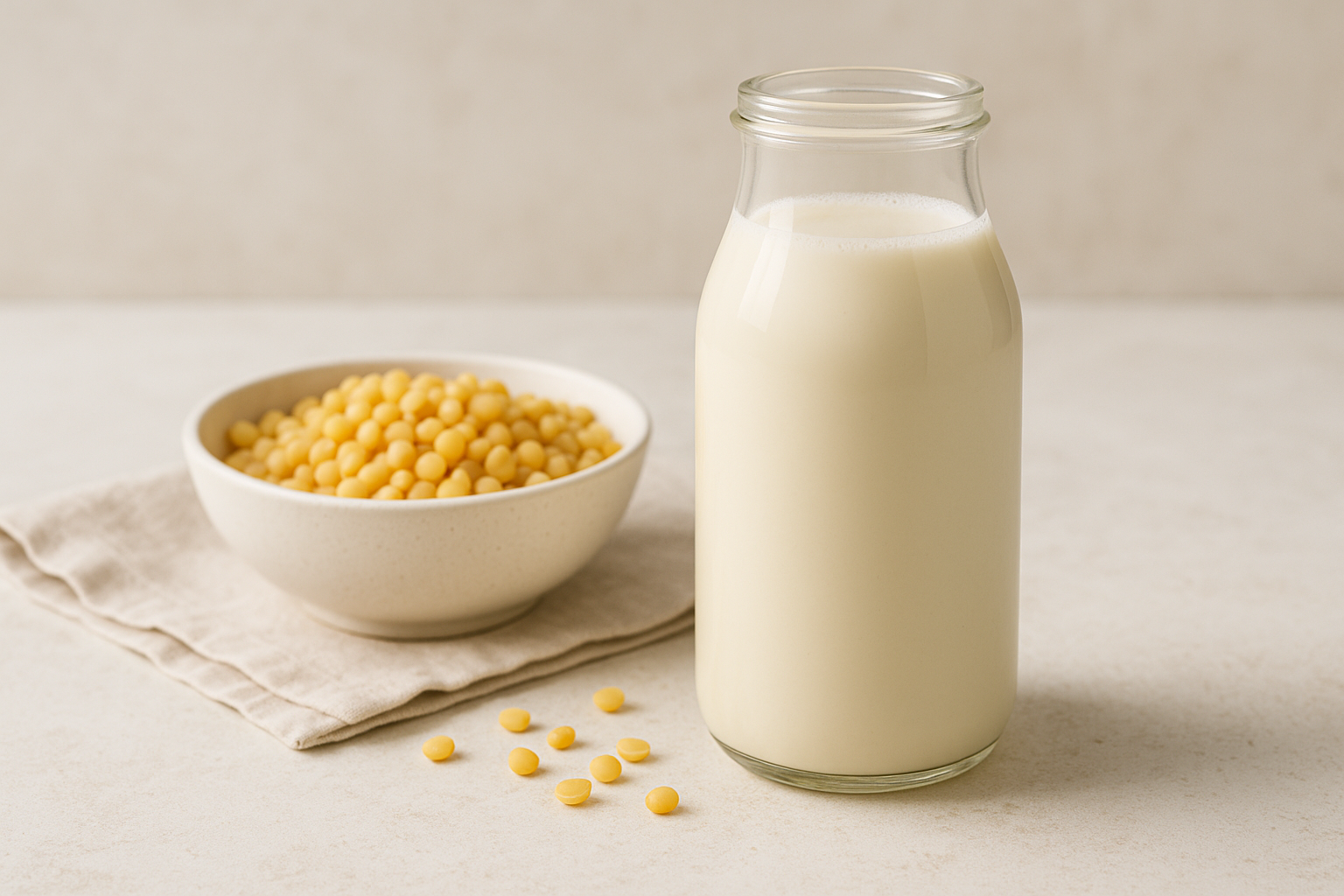 Homemade Pea MilkShared ingredients: cold water, vanilla extract, pinch of salt
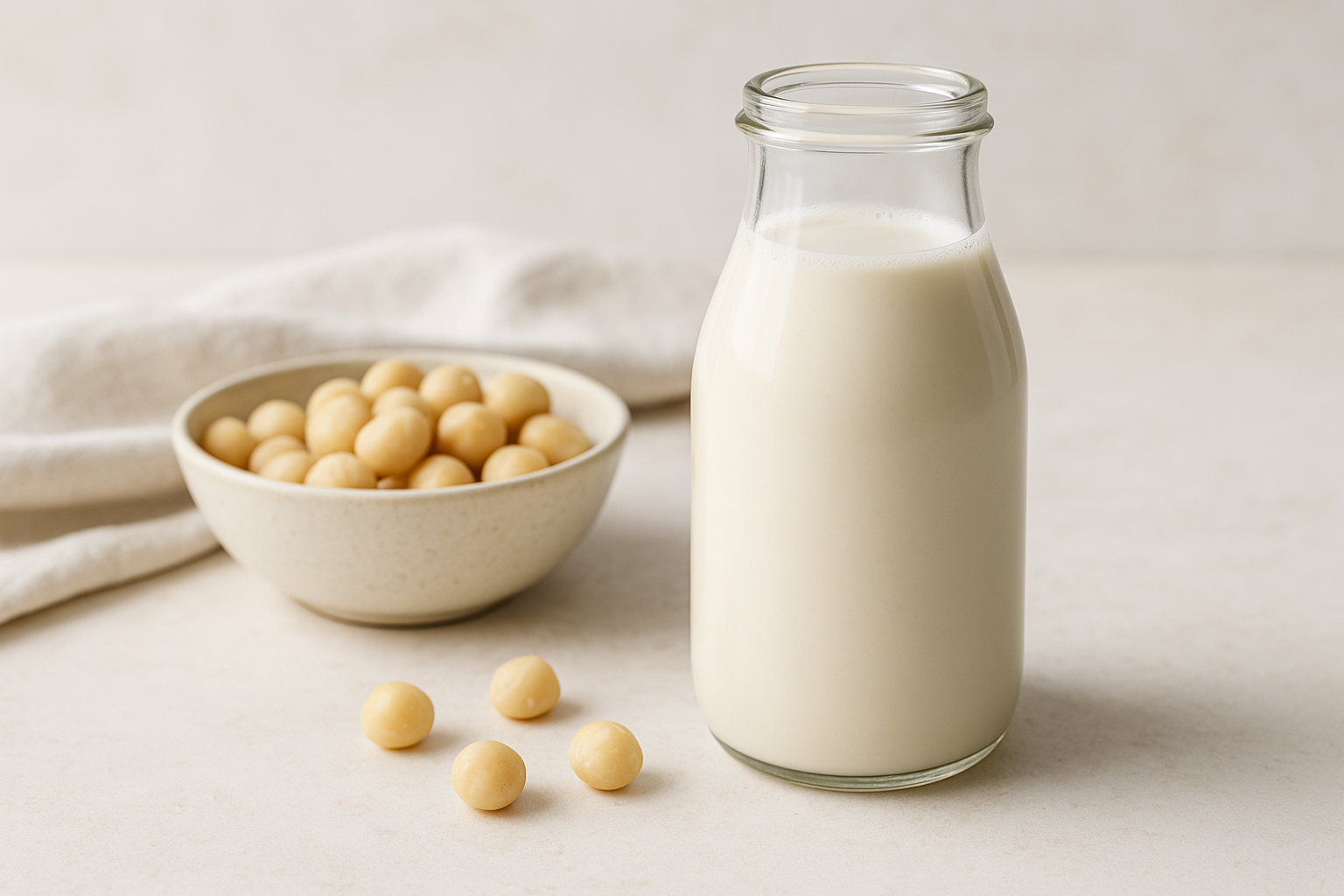 Homemade Macadamia MilkShared ingredients: cold water, vanilla extract, pinch of salt
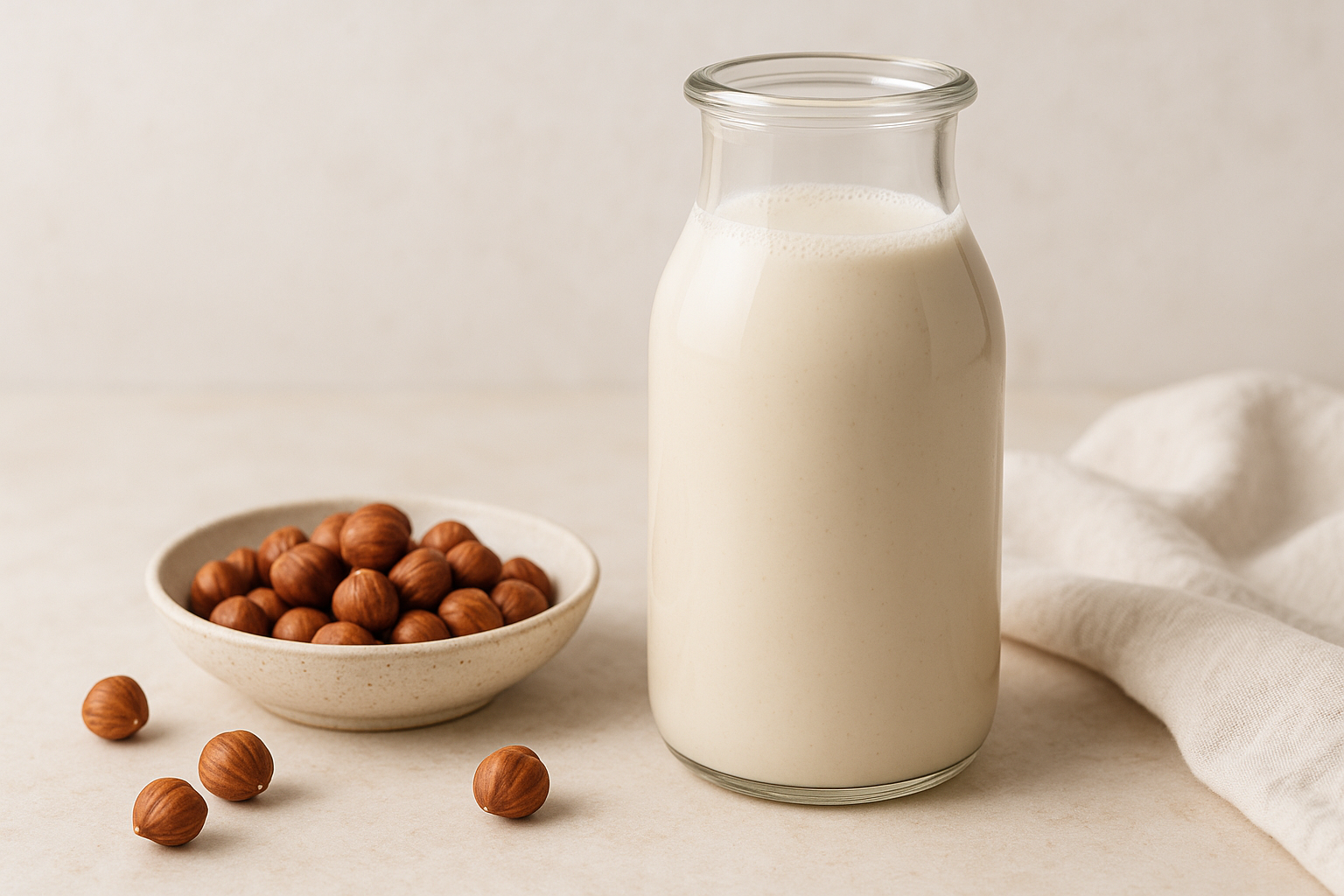 Homemade Hazelnut MilkShared ingredients: vanilla extract, pitted medjool date, pinch of salt
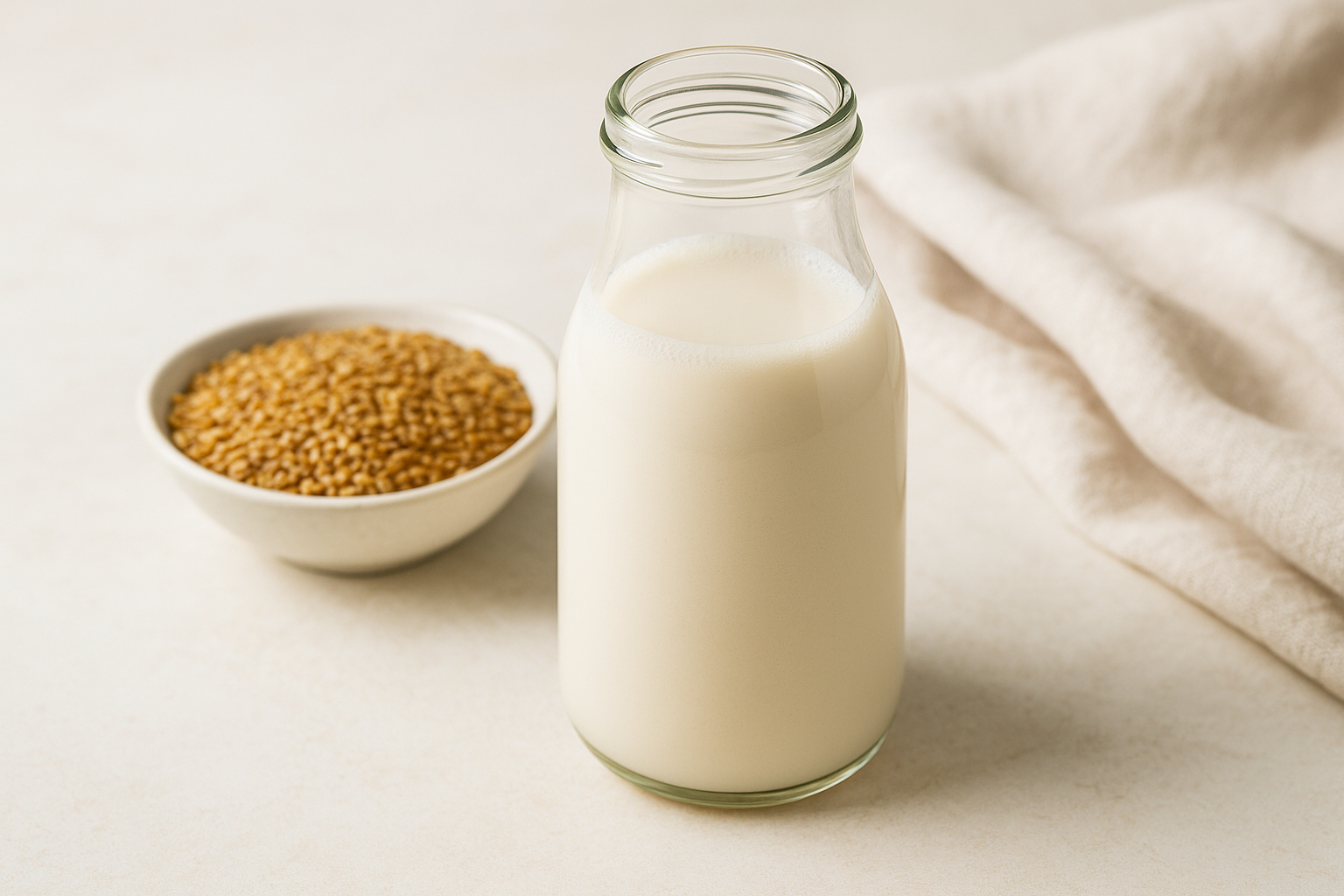 Homemade Flax MilkShared ingredients: vanilla extract, pitted medjool date, pinch of salt
YOUR FEEDBACK
Was this page helpful?
Your answer helps us improve our recipes and guides.